
Description
Product Overview
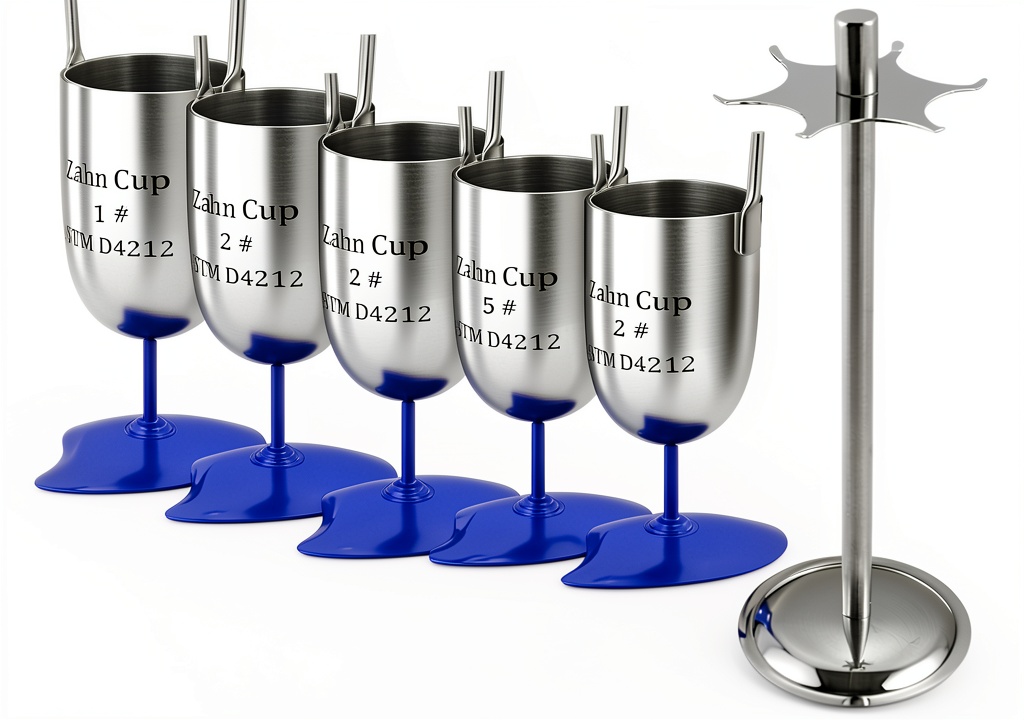
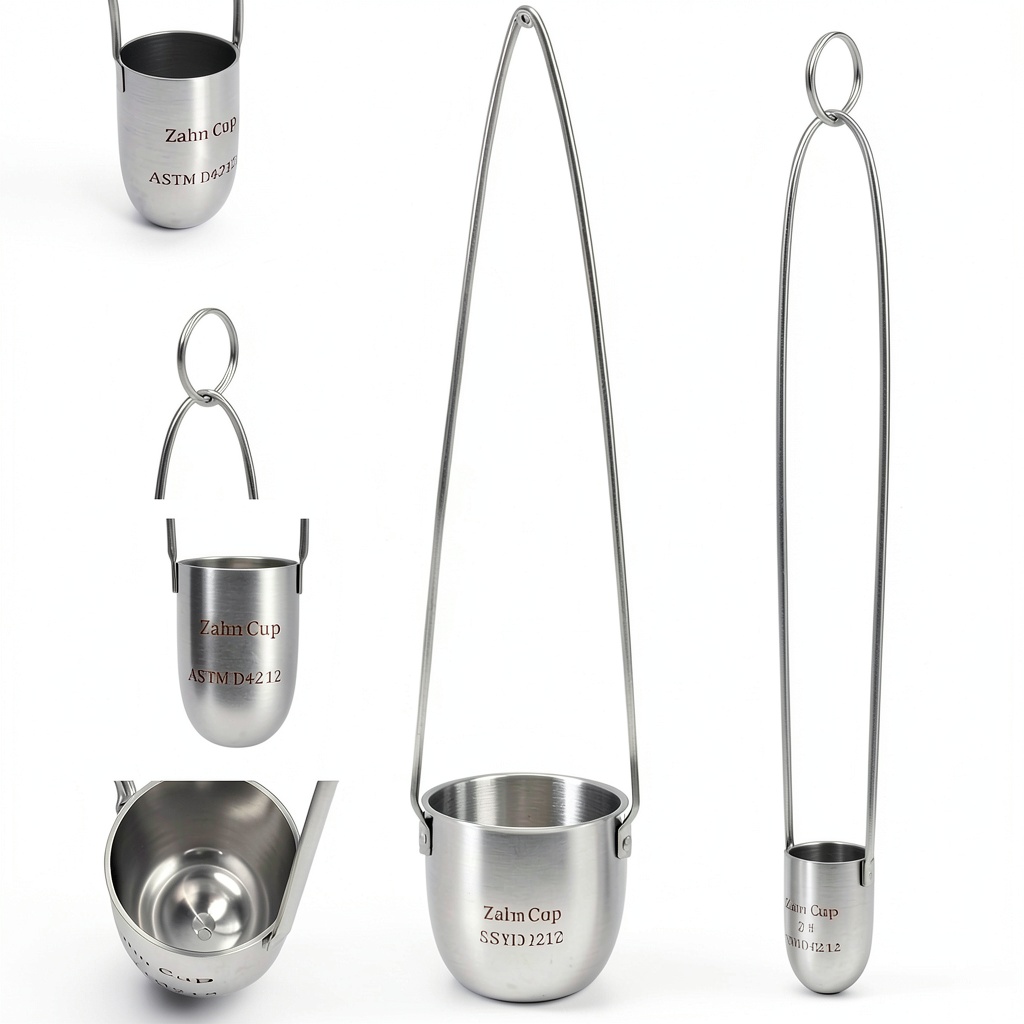
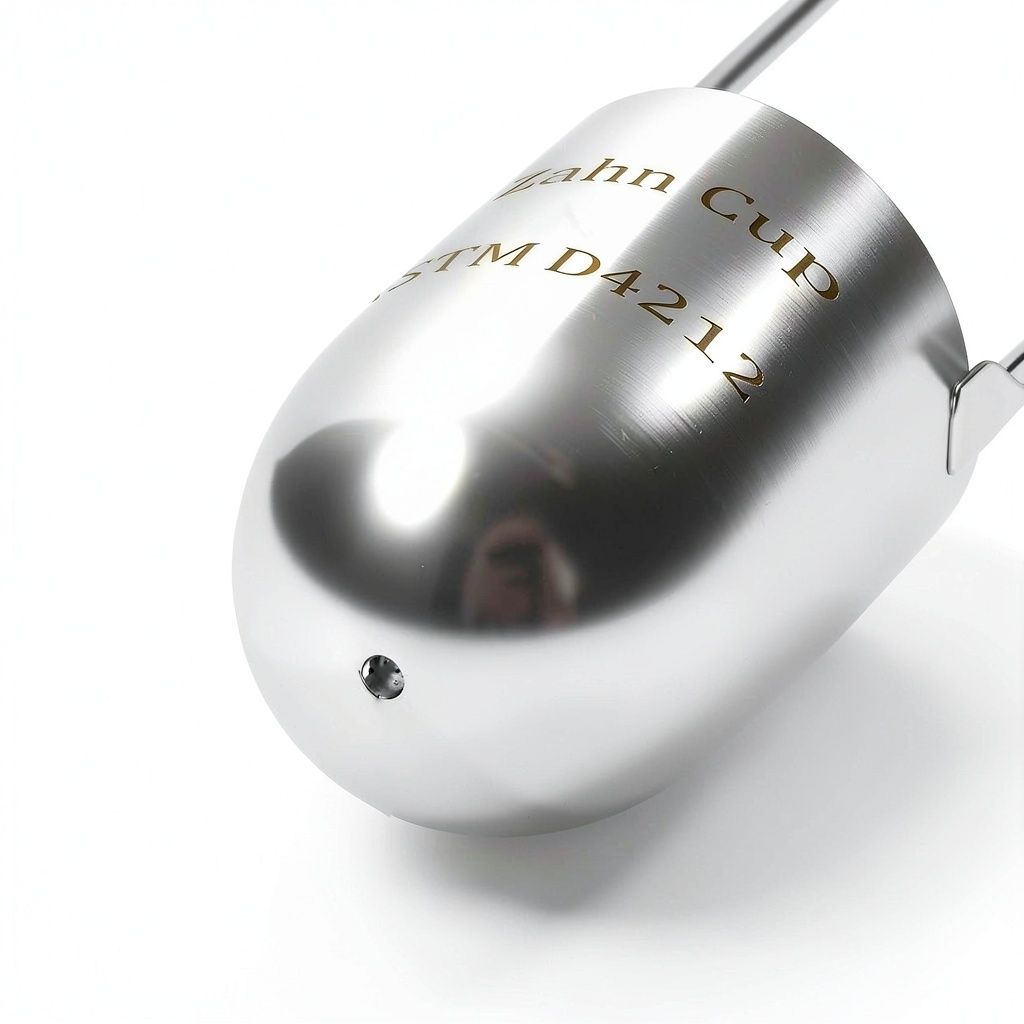
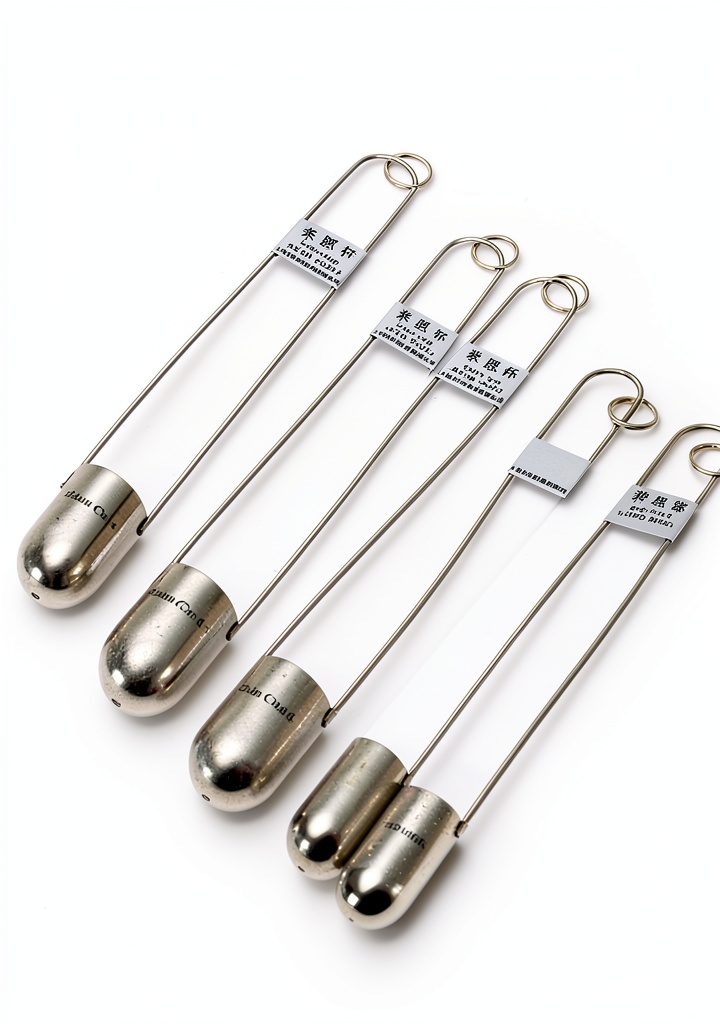
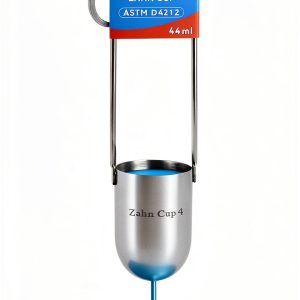
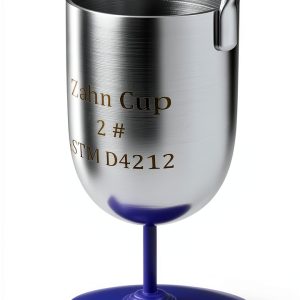
The 44ml Viscosity Cup Kit is a comprehensive solution for anyone who needs to measure the flow characteristics of liquids quickly and accurately. Each of the five Zahn cups is precision‑molded from high‑grade stainless steel, ensuring durability and resistance to corrosion even when used with aggressive solvents or acidic substances. The cups are numbered 1 through 5, each with a uniquely sized outflow orifice ranging from 2.00 mm to 5.28 mm, allowing measurement of viscosities from as low as 5 cSt up to 1800 cSt. This wide range makes the kit suitable for a diverse set of applications, from thin inks and dyes to thick honey or automotive paints.
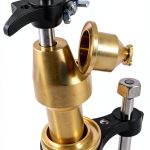
All cups are designed to meet the ASTM D4212 standard, which specifies the dip‑type cup method for viscosity determination. The standardization guarantees that results are comparable across laboratories and industries, providing confidence in quality control and product development processes. The kit also includes a robust aluminum bracket that holds the cups vertically during testing, preventing tilting and ensuring repeatable measurements. The bracket’s ergonomic design allows one‑handed operation, speeding up workflow in busy production environments.
Beyond the core components, the package includes a detailed instruction sheet that walks users through the calibration process, proper dip technique, and conversion of efflux time to centistokes. The clear, step‑by‑step guidance reduces the learning curve for new users while reinforcing best practices for seasoned technicians. All parts are compact and lightweight, making the kit easy to store on a bench or transport to field sites.
Usage
This kit excels in a variety of settings where fluid viscosity is a critical parameter. In paint manufacturing, technicians can quickly assess the flow of newly formulated batches, ensuring that the product meets target specifications before it reaches the market. In the food industry, the cups are ideal for checking the consistency of syrups, honey, and sauces, helping maintain texture standards that affect consumer perception. Automotive workshops can use the cups to evaluate the viscosity of engine oils and transmission fluids, supporting maintenance schedules and warranty compliance.
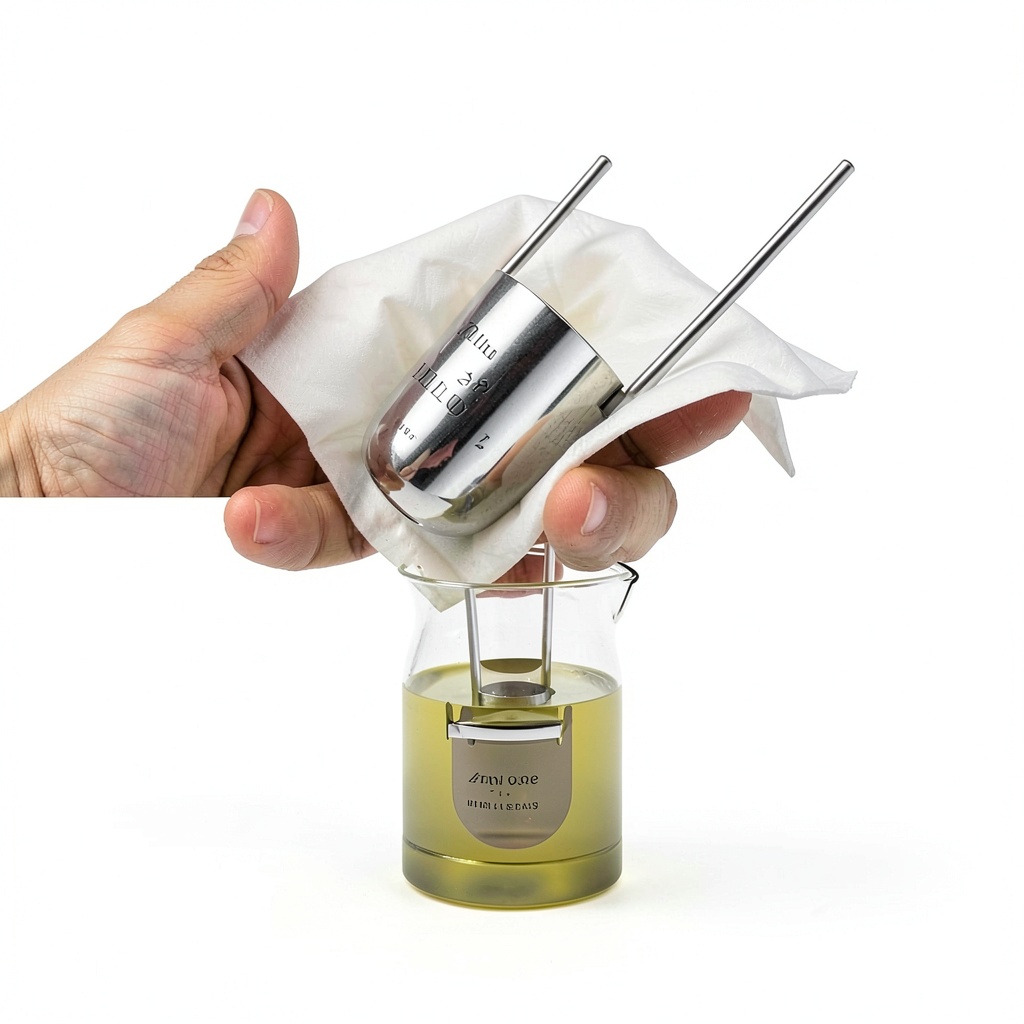
Because the cups are made of stainless steel, they can be safely used with solvents, pigments, and other chemicals without risk of degradation. The bracket’s adjustable height accommodates different container sizes, from small laboratory beakers to larger industrial drums. Users simply dip the cup to the prescribed depth, withdraw it, and time the efflux with a stopwatch or digital timer. The recorded time is then converted to centistokes using the provided chart, delivering an immediate viscosity value.
For field technicians, the kit’s portability and simplicity are major advantages. No power source is required, and the entire set fits into a standard tool bag. This makes it possible to perform on‑site viscosity checks at construction sites, oil rigs, or remote manufacturing facilities, where rapid decision‑making can prevent costly delays. The kit also supports educational environments, allowing students to explore fluid dynamics concepts hands‑on.
Why Choose Us
Our Viscosity Cup Kit stands out because of its commitment to precision engineering and user‑centric design. Each cup undergoes CNC‑drilled hole creation, guaranteeing that the outflow diameter matches the specified tolerance within microns. This level of accuracy translates directly into reliable viscosity readings, reducing the need for repeat testing and minimizing material waste. The stainless‑steel construction not only extends the lifespan of the cups but also ensures that they remain inert, preserving the purity of the fluids being tested.
We back our product with a comprehensive quality assurance program that includes batch testing, dimensional verification, and compliance documentation. Customers receive a certificate of conformity that references ASTM D4212, providing traceability for regulatory audits and internal quality systems. In addition, our responsive technical support team is available to answer questions about calibration, troubleshooting, or best practices, ensuring that you get the most out of your investment.
Choosing our kit also means benefiting from a thoughtful packaging design that protects the cups during shipping and storage. The individual cups are nestled in molded foam inserts, preventing scratches or dents that could affect measurement accuracy. The overall package weight of just over 1.4 kg makes it easy to handle while still conveying a sense of robustness that professionals expect.
Key Features
- Five stainless‑steel Zahn cups covering 5‑1800 cSt for versatile fluid testing
- Precision‑drilled outflow holes (2.00‑5.28 mm) ensure repeatable results
- Compliant with ASTM D4212 dip‑type cup standard for industry‑wide acceptance
- Durable aluminum bracket holds cups vertically, enabling hands‑free operation
- Responsive customer support and detailed instruction guide for quick setup
FAQ
How do I convert efflux time to viscosity?
After dipping a cup, start a stopwatch the moment the liquid begins to flow out. Record the time in seconds, then refer to the conversion chart supplied in the instruction booklet. The chart matches each cup number to a specific viscosity range, allowing you to translate the measured time directly into centistokes.
Can the cups be used with solvents or aggressive chemicals?
Yes. The cups are fabricated from high‑grade stainless steel, which resists corrosion and staining from most solvents, acids, and bases. This makes the kit suitable for a wide range of industrial and laboratory applications.
What is the recommended temperature for accurate measurements?
Viscosity is temperature‑dependent, so we recommend performing tests at a controlled temperature of 20 °C (68 °F). If you need to measure at other temperatures, apply the appropriate correction factor from the ASTM D4212 guidelines.
Is the kit suitable for educational purposes?
Absolutely. The straightforward dip‑and‑time method provides a clear demonstration of fluid dynamics concepts for students. The durable construction also withstands the frequent handling typical in classroom settings.
How do I clean the cups after use?
Rinse each cup with a compatible solvent or warm water immediately after testing, then dry with a lint‑free cloth. For stubborn residues, a mild detergent can be used, followed by a thorough rinse to avoid contaminating future measurements.
Reviews
There are no reviews yet.